


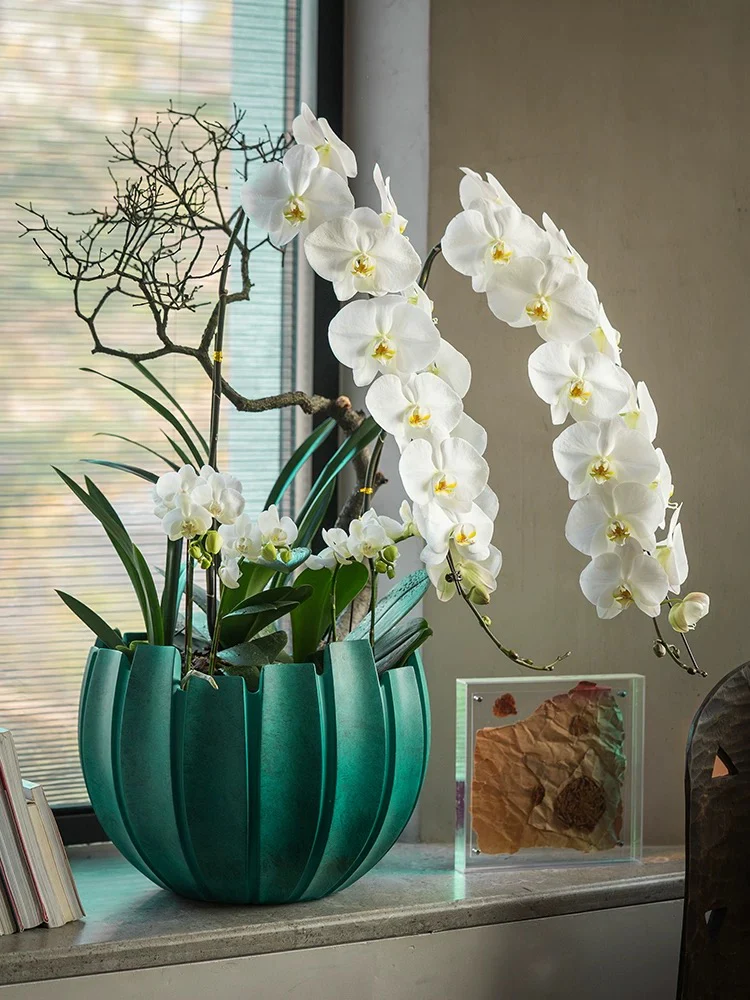
Minimalist decor is all about simplicity, balance, and intentional design. It focuses on reducing visual clutter while highlighting elements that bring calm, beauty, and functionality into a space. Among the most effective ways to elevate a minimalist interior is by incorporating artificial orchid centerpieces. These elegant floral arrangements offer a refined aesthetic without the maintenance demands of real plants, making them a perfect fit for modern, clean interiors.
Why Minimalism and Orchids Work So Well Together
Minimalism thrives on the principle of “less but better.” Every object in a minimalist space should serve a purpose, whether functional or visual. Orchids naturally align with this philosophy because of their sculptural beauty, delicate structure, and understated elegance. Their long stems, symmetrical blooms, and soft color palette create a striking focal point without overwhelming the room.
Artificial orchids enhance this effect even further. They maintain their pristine look year-round, allowing you to preserve a consistent, polished aesthetic. Unlike fresh flowers, they do not wilt, shed, or require constant attention, which helps maintain the clean and uncluttered feel that minimalism demands.
The Role of Artificial Orchid Centerpieces in Clean Aesthetics
A centerpiece is often the visual anchor of a room, especially in dining areas, coffee tables, or entryways. In minimalist decor, this focal point must be carefully chosen to avoid disrupting the overall harmony. Artificial orchid centerpieces excel in this role because they offer visual interest while maintaining simplicity.
Their sleek lines and natural symmetry contribute to a sense of order. When placed in a simple vase, orchids create a balanced composition that draws the eye without creating noise. This makes them ideal for spaces where you want to introduce a touch of nature while preserving a calm and organized atmosphere.
Choosing the Right Artificial Orchids for Minimalist Spaces
Selecting the right type of artificial orchid is essential for achieving a clean aesthetic. Not all designs are suitable for minimalist decor, so it is important to focus on subtlety and realism.
Opt for orchids with neutral tones such as white, soft pink, or pale lavender. These colors blend seamlessly with minimalist palettes, which often include whites, greys, beiges, and muted earth tones. Avoid overly vibrant or artificial-looking colors, as they can disrupt the understated elegance of the space.
Pay attention to the quality of the materials. High-quality artificial orchids mimic the texture and shape of real petals, making them appear more natural. Look for arrangements with realistic stems, leaves, and roots to enhance authenticity.
The container also plays a crucial role. Choose simple vases made of ceramic, glass, or matte-finish materials. Clean lines and neutral colors work best, as they complement the orchid without competing for attention.
Placement Strategies for Maximum Impact
In minimalist design, placement is just as important as the object itself. Artificial orchid centerpieces should be positioned thoughtfully to enhance the flow and balance of the room.
A dining table centerpiece should be low enough to allow for clear sightlines, especially if the space is used for gatherings. A single orchid arrangement placed at the center can create a sophisticated and inviting atmosphere without overcrowding the table.
For living rooms, placing an orchid arrangement on a coffee table or side table adds a touch of elegance. Pair it with a small stack of books or a single decorative object to maintain a curated look.
In entryways, an orchid centerpiece can set the tone for the entire home. A simple arrangement on a console table creates an immediate impression of cleanliness and refinement.
Avoid placing too many floral elements in one space. Minimalism relies on restraint, so one well-placed orchid centerpiece is often more effective than multiple arrangements.
Balancing Texture and Space
Minimalist interiors can sometimes feel too stark if not balanced properly. Artificial orchid centerpieces help soften the space by introducing organic shapes and subtle textures.
The smooth petals and gentle curves of orchids contrast beautifully with hard surfaces like glass, metal, and wood. This interplay of textures adds depth without cluttering the visual field.
At the same time, it is important to maintain negative space around the centerpiece. Allowing room for the arrangement to “breathe” enhances its impact and reinforces the minimalist aesthetic. Avoid crowding the area with additional decor items that may dilute the simplicity of the design.
Maintenance-Free Beauty for Modern Living
One of the biggest advantages of artificial orchid centerpieces is their low maintenance. In a minimalist lifestyle, reducing daily upkeep is often a priority. Artificial orchids eliminate the need for watering, pruning, and replacing wilted flowers.
They also remain consistent in appearance, which is essential for maintaining a clean and polished look. Dusting them occasionally is usually enough to keep them looking fresh and vibrant.
This makes them particularly suitable for busy households, offices, or spaces where natural light is limited. You can enjoy the elegance of orchids without worrying about their care requirements.
Styling Tips for a Cohesive Minimalist Look
To fully integrate artificial orchid centerpieces into your decor, consider the overall design language of your space. Consistency is key in minimalist interiors.
Match the color of the orchid arrangement with other elements in the room, such as cushions, rugs, or wall art. This creates a cohesive look that feels intentional and harmonious.
Keep the surrounding decor minimal. A clean surface with a single orchid centerpiece often makes a stronger statement than a crowded arrangement of multiple items.
Use symmetry when possible. Placing identical orchid arrangements on either side of a space, such as a console table or a bed, can create a sense of balance and order.
Lighting also plays an important role. Position your orchid centerpiece where it can catch natural or soft artificial light. This enhances its visual appeal and highlights its delicate details.
Elevating Different Spaces with Orchid Centerpieces
Artificial orchid centerpieces can be used in various areas of the home to enhance minimalist decor. In the dining room, they create a refined and welcoming atmosphere. In the living room, they add a subtle focal point that complements the overall design.
Bedrooms benefit from the calming presence of orchids, especially when placed on a bedside table or dresser. Their soft colors and graceful form contribute to a მშვიდ and relaxing environment.
In workspaces, an orchid centerpiece can introduce a touch of nature without adding distraction. It helps create a clean and inspiring setting that supports focus and productivity.
Conclusion
Artificial orchid centerpieces are a perfect addition to minimalist decor, offering elegance, simplicity, and practicality. Their natural beauty, combined with their maintenance-free nature, makes them an ideal choice for modern living spaces that prioritize clean aesthetics.
By choosing high-quality arrangements, placing them thoughtfully, and maintaining a balanced design, you can use artificial orchids to enhance your interior without compromising the principles of minimalism.
