


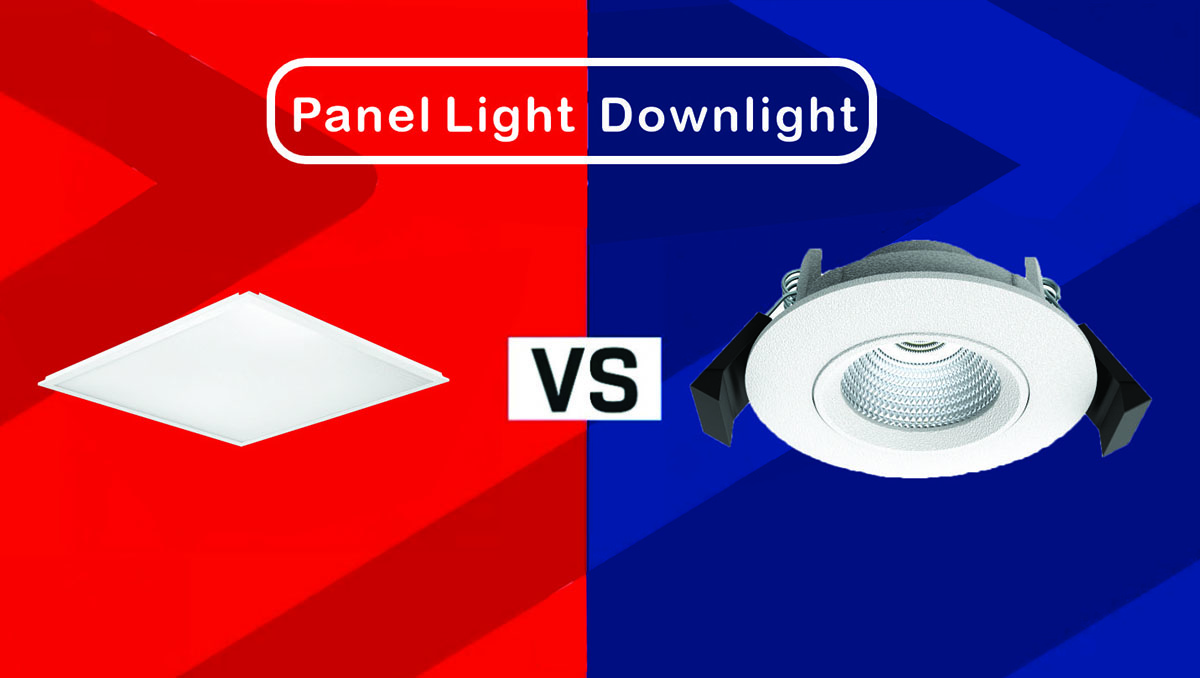
Choosing the right lighting can completely transform the look, feel, and functionality of a space. When it comes to modern lighting solutions, LED panel lights and downlights are two of the most popular options for homes, offices, and commercial environments. Both offer energy efficiency, sleek design, and long-lasting performance, but they serve different purposes depending on your needs. Understanding the differences between LED panel lights and downlights will help you make a smarter buying decision and achieve the perfect lighting setup.
What Are LED Panel Lights?
LED panel lights are flat, rectangular or square lighting fixtures designed to provide uniform and widespread illumination. They are commonly installed in false ceilings and are widely used in offices, commercial buildings, hospitals, and modern homes. These lights are known for their slim profile and ability to distribute light evenly without creating harsh shadows or glare. LED panel lights are ideal for spaces where consistent brightness is required across a large area.
What Are Downlights?
Downlights, also known as recessed lights, are compact lighting fixtures installed into the ceiling, directing light downward in a focused beam. They are typically round in shape and are used to create accent lighting, highlight specific areas, or add depth and dimension to a room. Downlights are commonly used in living rooms, kitchens, bathrooms, and retail spaces where targeted lighting is preferred.
Key Differences Between LED Panel Lights and Downlights
Light Distribution
The most noticeable difference between LED panel lights and downlights is how they distribute light. LED panel lights provide wide, uniform illumination that spreads evenly across the entire space. This makes them perfect for areas like offices, classrooms, or large rooms where consistent lighting is essential. Downlights, on the other hand, offer focused lighting. They direct light downward in a beam, making them ideal for highlighting specific areas such as countertops, artwork, or seating zones.
Aesthetic Appeal
LED panel lights offer a clean and modern look, often blending seamlessly into ceilings. They are minimalistic and are typically used in professional or contemporary environments. Downlights provide a more decorative and layered lighting effect. By strategically placing multiple downlights, you can create a visually appealing ambiance with depth and contrast. They are often used in interior design to enhance the overall aesthetics of a space.
Installation Requirements
LED panel lights are generally larger and require more ceiling space, especially when installed in grid ceilings or false ceilings. They may not be suitable for ceilings with limited depth. Downlights are compact and easier to install in various ceiling types, including those with limited space. Their small size makes them more versatile for both new installations and retrofitting existing setups.
Brightness and Coverage
LED panel lights are designed to illuminate large areas efficiently. A single panel light can often cover a significant portion of a room. Downlights, however, have limited coverage per unit. To achieve similar brightness levels, multiple downlights need to be installed strategically. This can increase the number of fixtures required but allows for more customization in lighting design.
Energy Efficiency
Both LED panel lights and downlights are highly energy-efficient compared to traditional lighting options. However, LED panel lights may be slightly more efficient in large spaces since fewer fixtures are needed to achieve uniform brightness. Downlights can also be efficient, but using multiple units may slightly increase overall energy consumption.
Cost Considerations
The initial cost of LED panel lights is usually higher per unit compared to downlights, but fewer fixtures are required for large spaces. Downlights are generally more affordable individually, but the need for multiple units can increase the total cost. Installation costs may also vary depending on the complexity and number of fixtures.
Maintenance and Lifespan
Both lighting options offer long lifespans, typically lasting tens of thousands of hours. LED panel lights may require replacement as a whole unit if they fail, while downlights often allow for easier replacement of individual bulbs or components, depending on the design. Maintenance requirements are generally low for both options.
When to Choose LED Panel Lights
LED panel lights are the better choice when you need bright, uniform lighting across a wide area. They are ideal for offices, conference rooms, classrooms, hospitals, and large residential spaces like living rooms with false ceilings. If your goal is to reduce shadows and create a well-lit, professional environment, LED panel lights are the way to go.
When to Choose Downlights
Downlights are perfect when you want focused lighting or a layered lighting design. They work well in areas where ambiance and aesthetics are important, such as living rooms, bedrooms, kitchens, and retail stores. If you want to highlight specific features or create a modern, stylish look, downlights offer greater flexibility and design control.
Can You Use Both Together?
Yes, combining LED panel lights and downlights is often the best solution. Many modern lighting designs use panel lights for general illumination and downlights for accent or task lighting. This layered approach ensures that the space is both functional and visually appealing. For example, a living room can have a central LED panel light for overall brightness, complemented by downlights around the edges to create mood and highlight decor elements.
Final Verdict: Which One Is Better?
There is no one-size-fits-all answer to whether LED panel lights or downlights are better. The right choice depends on your specific lighting needs, room size, ceiling type, and design preferences. LED panel lights excel in providing uniform, efficient lighting for large areas, while downlights are better suited for focused, decorative, and flexible lighting setups. In many cases, using a combination of both delivers the best results by balancing functionality and aesthetics.
By understanding how each lighting option works and where it performs best, you can create a well-lit space that is both practical and visually appealing.
