


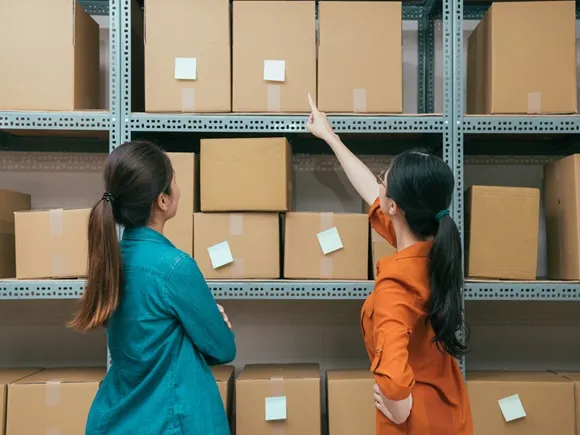
Running a small business comes with constant pressure to balance quality and cost, and shipping is one of the areas where both matter the most. Choosing the right shipping boxes is not just about protecting your products—it directly impacts your profit margins, customer experience, and brand perception. The good news is that there are several cost-effective shipping box options available that can help you save money without compromising on quality.
Why Shipping Boxes Matter for Small Businesses
Shipping boxes are more than just packaging materials. They play a crucial role in ensuring that your products reach customers safely and in good condition. Damaged goods lead to returns, refunds, and negative reviews, all of which can hurt your business. At the same time, overspending on packaging can reduce your overall profitability. The goal is to find a balance between durability, size, and cost efficiency.
Understanding the Types of Shipping Boxes
Before choosing the most cost-effective option, it is important to understand the different types of shipping boxes available in the market. Corrugated boxes are the most commonly used option for shipping. They are made with fluted layers that provide strength and cushioning, making them ideal for a wide range of products. Single-wall corrugated boxes are lighter and cheaper, suitable for non-fragile items, while double-wall boxes offer extra durability for heavier or delicate products. Rigid boxes, although more premium and sturdy, are generally more expensive and better suited for luxury items. Mailer boxes, often used in eCommerce, are lightweight and visually appealing, making them a good choice for branding while still being relatively affordable.
Choosing the Right Box Size to Save Costs
One of the simplest ways to reduce shipping costs is by selecting the right box size. Using oversized boxes not only increases material costs but also raises shipping charges due to dimensional weight pricing. Small businesses should aim to use boxes that closely match the size of their products. This reduces the need for excessive filler materials and keeps shipping costs low. Custom-sized boxes might seem expensive at first, but in the long run, they can significantly cut down on both packaging and shipping expenses.
Lightweight Materials for Lower Shipping Costs
Weight plays a major role in determining shipping fees. Choosing lightweight yet durable materials can help reduce overall costs. Single-wall corrugated boxes are often sufficient for many products and are much lighter than double-wall options. For businesses shipping non-fragile items like clothing or accessories, switching to lightweight mailer boxes can lead to noticeable savings. The key is to match the strength of the box with the fragility of the product to avoid unnecessary expenses.
Buying in Bulk to Reduce Per-Unit Costs
Bulk purchasing is one of the most effective strategies for lowering packaging costs. Suppliers often offer significant discounts when you buy shipping boxes in large quantities. While this requires an upfront investment, it reduces the cost per box over time. Small businesses should analyze their shipping volume and forecast their needs to take advantage of bulk pricing without overstocking.
Using Standard Box Sizes for Better Rates
Carriers often have preferred or standard box sizes that are easier and cheaper to handle. By aligning your packaging with these standard sizes, you may benefit from lower shipping rates and more efficient logistics. Standardization also simplifies your packing process, making it faster and more consistent.
Eco-Friendly Options That Save Money
Sustainability is becoming increasingly important to customers, and eco-friendly packaging can also be cost-effective. Recycled corrugated boxes are often cheaper than new materials and help reduce environmental impact. Additionally, using biodegradable or recyclable materials can enhance your brand image, potentially leading to higher customer loyalty and repeat purchases. Some businesses even reuse incoming packaging materials, which can significantly cut costs.
Minimizing Void Fill and Packaging Waste
Excessive use of bubble wrap, packing peanuts, or paper filler not only increases costs but also adds weight to shipments. By choosing the right box size and design, you can minimize the need for void fill. Inserts or dividers can be a smarter alternative, especially for fragile items, as they provide targeted protection without adding unnecessary bulk.
Exploring Flat-Pack and Foldable Boxes
Flat-pack boxes are shipped and stored in a collapsed form, saving storage space and reducing transportation costs. They are easy to assemble and can be a practical solution for small businesses with limited storage capacity. Foldable boxes also streamline the packing process, saving time and labor costs.
Custom Branding Without Overspending
Branding is important, but it does not have to be expensive. Instead of investing in fully custom-printed boxes, small businesses can use cost-effective alternatives like branded stickers, stamps, or tape. This approach allows you to maintain a professional look while keeping packaging costs under control. As your business grows, you can gradually invest in fully customized packaging.
Comparing Local vs Online Suppliers
Finding the right supplier can make a big difference in your packaging costs. Local suppliers may offer faster delivery and lower shipping fees for bulk orders, while online suppliers often provide competitive pricing and a wider range of options. It is worth comparing both to find the best deal for your specific needs. Building a long-term relationship with a supplier can also lead to better pricing and more flexible terms.
Testing and Optimizing Your Packaging Strategy
Cost-effective packaging is not a one-time decision. It requires continuous testing and optimization. Small businesses should regularly review their packaging choices, shipping costs, and customer feedback. Trying different box sizes, materials, and suppliers can help identify the most efficient combination. Over time, even small improvements can lead to significant savings.
Final Thoughts
Shipping boxes are a critical component of your business operations, and choosing cost-effective options can have a direct impact on your bottom line. By selecting the right materials, optimizing box sizes, buying in bulk, and minimizing waste, small businesses can reduce expenses while maintaining product safety and customer satisfaction. A smart packaging strategy not only saves money but also enhances efficiency and supports long-term growth.
