


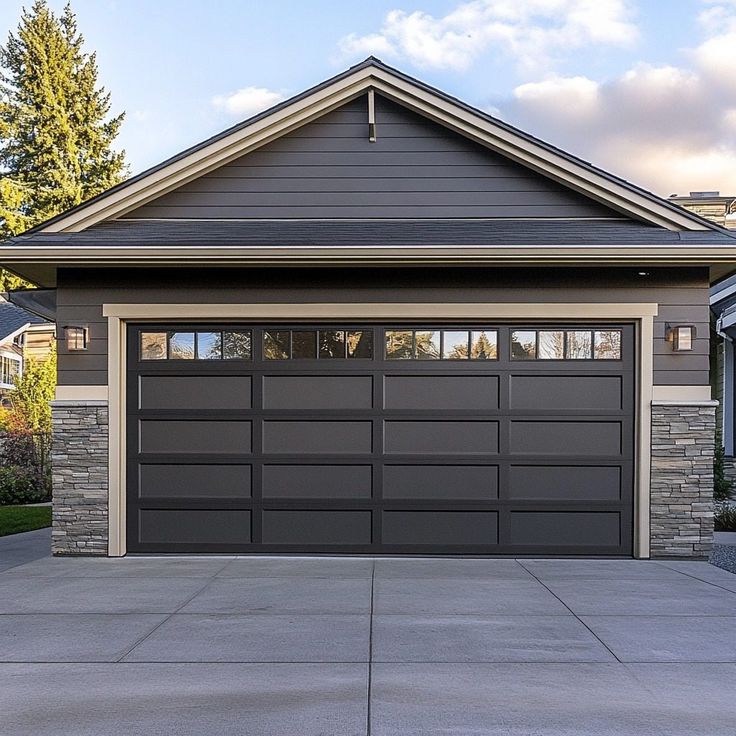
For many homeowners, the garage is more than just a place to park vehicles. It may serve as a workshop, home gym, storage area, or even an entry point into the house. Unfortunately, garages can also be a major source of noise. Traffic sounds, neighborhood activity, lawn equipment, and the operation of the garage door itself can all contribute to unwanted noise levels.
One of the most effective ways to reduce garage noise is by installing an insulated garage door. While insulated garage doors are not completely soundproof, they can significantly reduce noise transmission and create a quieter, more garage door repair Apache Junction AZ comfortable environment. Understanding how insulated garage doors affect sound levels can help homeowners choose the right solution for their needs.
What Is an Insulated Garage Door?
An insulated garage door contains layers of insulating material placed between the door’s outer and inner panels. These materials help regulate temperature while also providing sound-dampening benefits.
Common insulation types include:
Polystyrene Insulation
Polystyrene panels are inserted into the door sections during manufacturing.
Benefits include:
- Affordable pricing
- Improved energy efficiency
- Moderate noise reduction
- Lightweight construction
Polyurethane Insulation
Polyurethane foam is injected between door panels and expands to fill every gap.
Advantages include:
- Superior thermal performance
- Increased structural strength
- Enhanced noise reduction
- Greater durability
Polyurethane-insulated doors generally provide the best sound-dampening performance.
How Noise Travels Through a Garage Door
To understand how insulated doors reduce sound, it helps to know how noise enters and exits a garage.
Sound travels through:
- Thin door panels
- Gaps around the door
- Vibrating metal surfaces
- Windows
- Structural openings
Standard non-insulated garage doors often allow sound waves to pass through easily because of their thin construction and lack of sound-absorbing materials.
Insulated doors help block and absorb a portion of these sound waves before they enter or leave the garage.
Are Insulated Garage Doors Soundproof?
The simple answer is no.
No residential garage door is completely soundproof. However, insulated garage doors can dramatically reduce noise transmission compared to non-insulated models.
Many homeowners notice improvements such as:
- Less street noise entering the garage
- Reduced noise from garage activities reaching neighboring rooms
- Quieter door operation
- Lower levels of vibration
The amount of noise reduction depends on the door’s construction, insulation type, thickness, and overall installation quality.
How Insulation Reduces Noise
Sound Absorption
Insulation materials absorb some of the sound energy that would otherwise pass through the door.
This helps reduce:
- Traffic noise
- Wind noise
- Neighborhood sounds
- Equipment noise
Vibration Reduction
Garage door panels naturally vibrate during operation.
Insulated doors are generally thicker and more rigid, which helps reduce panel vibration and rattling.
Increased Mass
Heavier materials naturally block more sound.
Insulated garage doors contain multiple layers that increase overall mass, making it more difficult for sound waves to travel through the structure.
Improved Structural Stability
Insulated doors often flex less during operation, resulting in smoother and quieter performance.
How Much Noise Reduction Can You Expect?
The exact amount of sound reduction varies depending on the garage door’s design and insulation quality.
In general, homeowners can expect:
Moderate Reduction of Outdoor Noise
Insulated doors help soften sounds such as:
- Passing vehicles
- Lawn mowers
- Construction activity
- Neighborhood traffic
Reduced Garage Door Operation Noise
Many homeowners are surprised by how much quieter an insulated garage door feels during daily use.
Benefits often include:
- Less rattling
- Reduced panel vibration
- Smoother movement
- Quieter opening and closing cycles
Improved Interior Comfort
For attached garages, noise reduction may extend into nearby rooms, helping create a quieter indoor environment.
Factors That Affect Noise Reduction Performance
Several factors influence how effectively an insulated garage door blocks sound.
Door Thickness
Thicker doors generally provide better sound insulation than thinner models.
Three-layer garage doors often outperform single-layer doors because of their additional materials and construction.
Insulation Type
Polyurethane insulation typically provides superior sound-dampening performance compared to polystyrene.
The foam fills empty spaces completely, reducing sound pathways throughout the door.
Door Material
Different materials affect sound transmission differently.
Steel Doors
Steel is durable but can transmit vibrations.
Adding insulation significantly improves sound performance.
Wood Doors
Wood naturally absorbs sound better than many other materials.
Insulated wood doors often provide excellent noise reduction.
Composite Doors
Composite materials combine durability with effective sound control characteristics.
Installation Quality
Even the best insulated garage door cannot perform effectively if gaps remain around the opening.
Professional installation helps ensure:
- Proper sealing
- Correct alignment
- Smooth operation
- Reduced vibration
The Importance of Weather Seals
Sound frequently enters through gaps rather than through the door panels themselves.
Weather seals play an important role in noise reduction.
Key sealing areas include:
Bottom Seal
Blocks sound, drafts, water, and debris from entering beneath the door.
Side Seals
Help close gaps along the door frame.
Top Seal
Reduces noise infiltration from the upper edge of the garage opening.
Replacing worn weather stripping can noticeably improve sound control.
Garage Door Openers and Noise Levels
The garage door opener also affects overall noise levels.
Chain-Drive Openers
Chain-drive systems are durable but often generate more noise and vibration.
Belt-Drive Openers
Belt-drive openers are generally the quietest option.
Benefits include:
- Smooth operation
- Reduced vibration
- Minimal noise transmission
Pairing an insulated garage door with a belt-drive opener often produces the quietest overall system.
Additional Ways to Improve Garage Soundproofing
For homeowners seeking maximum noise reduction, several additional upgrades can complement an insulated garage door.
Add Wall Insulation
Insulating garage walls helps reduce sound transmission throughout the structure.
Install Acoustic Panels
Acoustic panels absorb sound reflections and improve interior acoustics.
Seal Air Gaps
Use weatherstripping and caulk to close openings around windows, doors, and utility penetrations.
Upgrade Garage Windows
Double-pane windows can further reduce outside noise.
Maintain Moving Components
Regular lubrication of rollers, hinges, and tracks minimizes operational noise.
Who Benefits Most from an Insulated Garage Door?
Insulated garage doors are especially valuable for:
Attached Homes
Noise reduction benefits can extend into living spaces connected to the garage.
Home Workshops
Quieter environments improve comfort when using power tools or equipment.
Home Gyms
Reduced noise transmission helps minimize disturbances during workouts.
Urban Neighborhoods
Homeowners living near busy roads often appreciate the added sound control.
Families with Bedrooms Above the Garage
Insulated doors help reduce operational noise that may disturb sleeping family members.
Additional Benefits Beyond Noise Reduction
While sound control is a major advantage, insulated garage doors offer several other benefits.
These include:
- Improved energy efficiency
- Better temperature regulation
- Increased durability
- Enhanced structural strength
- Greater comfort year-round
- Higher home value
- Reduced wear on garage door components
These advantages often make insulated doors a worthwhile long-term investment.
Final Thoughts
Although insulated garage doors are not completely soundproof, they can significantly reduce noise levels inside and outside the garage. By absorbing sound, minimizing vibration, and increasing structural mass, insulated doors create a quieter and more comfortable environment for homeowners.
For the best results, choose a high-quality insulated garage door, ensure professional installation, maintain effective weather seals, and consider pairing the system with a quiet belt-drive opener. Together, these upgrades can dramatically improve noise control while also providing benefits such as energy efficiency, durability, and enhanced home comfort.
